
Language is not just set of words or linguistic arrangement, it’s culture
Language is the cornerstone of human civilization. It is a powerful tool that allows us to express our
thoughts, emotions, and ideas. Without language, it would be impossible for us to communicate with
one another and form the deep connections that make us human. The most apparent function of
language is communication. Language arose out of a need for humans to communicate and socialise. As
humans are inherently social beings, this need for communication will never die out. Language helps us
to communicate with people who can speak the same language
Language is not only way to communicate but it also has impact on our education and cultural identity.
Language is a vital part of human connection. Although all species have their ways of communicating,
humans are the only ones that have mastered cognitive language communication. Language allows us to
share our ideas, thoughts, and feelings with others. It has the power to build societies. Language is not
just a set of words or linguistic arrangement, it is a culture. Words also have their own culture or
tradition. It’s pertinent to mention here that Languages are the most powerful instruments of preserving
and developing our tangible and intangible heritage.
Mother tongue is the first language a person has been exposed to from birth. The first language of a
child is part of that child’s personal, social and cultural identity. the term native language or mother
tongue refers to the language of one’s ethnic group rather than the individual’s actual first language.
Every year on 21 February, we celebrate International Mother Language Day. This day is also called
International Mother Tongue Day. International Mother Language Day is a worldwide annual observance
held on 21 February to promote awareness of linguistic and cultural diversity and to promote
multilingualism. First announced by UNESCO on 17 November 1999, it was formally recognized by the
United Nations General Assembly with the adoption of UN resolution 56/262 in 2002. Mother Language
Day is part of a broader initiative “to promote the preservation and protection of all languages used by
peoples of the world” as adopted by the UN General Assembly on 16 May 2007 in UN resolution 61/266,
which also established 2008 as the International Year of Languages. The idea to celebrate International
Mother Language Day was the initiative of Bangladesh. In Bangladesh, 21 February (1952) is the
anniversary of the day when the Bengalis i.e. East Pakistani Bengali (now Bangladeshi Bengali Muslims)
of the Pakistani province of East Bengal (now independent state of Bangladesh) fought for recognition of
their Bengali language. International Mother Language Day was proclaimed by the General Conference
of the United Nations Educational, Scientific and Cultural Organization (UNESCO) in November 1999. The
idea to celebrate International Mother Language Day was the initiative of Bangladesh. The UN General
Assembly welcomed the proclamation of the day in its resolution of 2002.
Preserving mother tongue is a crucial step in safeguarding our cultural heritage. Our Mother tongue,
serves as a crucial conduit for preserving our cultural identity. Mother tongue provides a sense of
belonging and unity within a community. We should strike harmonious balance between embracing
other languages and passionately preserving our mother tongue. By valuing and actively promoting the
importance of our mother tongue, we can safeguard our cultural heritage, strengthen our sense of
identity, and contribute to the preservation of linguistic diversity for generation to come. It is time to
rekindle our pride in our mother tongue and take the necessary steps to protect it from the looming
threat of extinction.
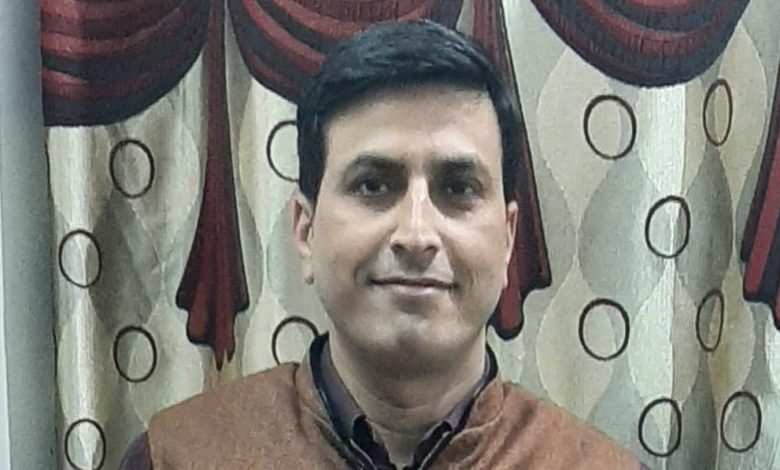
Adv Rahul Kilam