

Common Eligibility Test for IBPS, SSC and Indian Railways
All you need to know about Common Eligibility Test
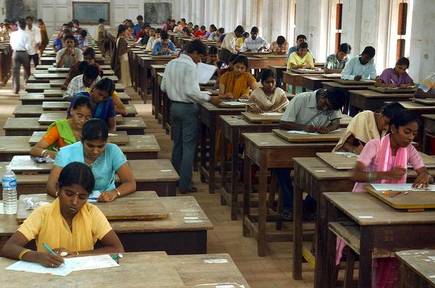
 New Delhi, August 19: In a move to streamline the recruitment process for non-gazetted posts in the central government and public sector banks, Union Cabinet on Wednesday approved setting up the National Recruitment Agency. The new agency will conduct a Common Eligibility Test (CET) for all the competitive examinations.
The proposal for National Recruitment Agency was first introduced by Finance Minister Nirmala Sitharaman in the Union Budget 2020. The new agency will be an “independent, professional, specialist organisation and will conduct an exam, which would be known as the Common Eligibility Test, for selection to government jobs,” the Union Budget mentioned. NRA will work as a preliminary single-window agency to shortlist qualifying candidates from bulk of applicants and forward the list to SSC, IBPS, etc, to hold the mains.
The government sanctioned ₹1,517.57 crore for NRA, Union cabinet said in a statement, adding that the expenditure will be undertaken over a period of three years. “Apart from setting up the NRA, costs will be incurred for setting up examination infrastructure in the 117 aspirational districts,” the statement said.
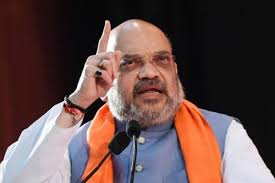 Meanwhile Union Home Minister Amit Shah on Wednesday said the National Recruitment Agency (NRA), approved by the Union Cabinet, will provide equal opportunities to all sections of the society and will ensure transparency in the appointment process.
In a series of tweets, Shah also said it was a landmark day for India’s youth and thanked Prime Minister Narendra Modi for the “unprecedented step”.
“#NationalRecruitmentAgency is a unprecedented step taken by Modi govt as it would create an uniform transformative recruitment process. PM @NarendraModi ji has given the due right to the job seeking youth of the country by ensuring transparency & ease in the recruitment process,” he tweeted.
The home minister said the NRA will provide equal opportunities to all sections of the society as each district will have an exam centre, test will be in multiple languages and Common Eligibility Test score will be valid for three years.
Shah said a single test will also reduce the financial burden, which will greatly benefit the candidates and termed it as a “landmark day for India’s youth!”.
“I thank PM @NarendraModi ji for approving the creation of #NationalRecruitmentAgency in today’s cabinet. This transformational reform will remove the hurdles of multiple exams for central govt jobs through Common Eligibility Test,” he said.
All you need to know about Common Eligibility Test
1) At present, the National Recruitment Agency agency will conduct entrance test for Staff Selection Commission (SSC) and the Institute of Banking Personnel Selection (IBPS) and Railway Recruitment Board (RRB).
2) The hiring of Group-B (non-gazetted), Group-C (non-technical) and clerical posts in the government along with various equivalent recruitment in public sector banks will be done through CET. NRA will conduct preliminary examinations for all these recruitment.
4) Based on the screening done at the CET score level, final selection for recruitment shall be made through separate specialised tiers (II, III etc) of examination which shall be conducted by the respective recruitment agencies.
5) The score of CET will be valid for three years. There shall be no restriction on the number of attempts to be taken by a candidate to appear in the CET subject to the upper age limit, the statement said.
6) Around 2.5-3 crore aspirants sit for each of these examinations for government jobs or banking jobs every year. A CET would enable the candidates to appear once and apply to any or all of these recruitment agencies for the higher level of examination.
8) Candidates would have the facility of registering on a common portal and give a choice of centres. Based on availability, they would be allotted centres.
9) “The CET would be available in a number of languages. This would greatly facilitate people from different parts of the country to take the exam and have an equal opportunity of being selected,” it said.
10) With single common entrance test, candidates no longer need to spend money to fill up different applications for different jobs. The cost of travelling for different examinations will also be saved.
12) “It will lead to ease of selection, ease of job placement and ease of living, especially for those sections of society that are considered disadvantaged,” Union Minister Jitendra Singh said in a tweet.
13) This would go a long way in mitigating the hardship of candidates who spend a considerable amount of time, money and effort preparing and giving these examinations every year, the cabinet said in a statement.
14) Women candidates especially from rural areas face constraints in appearing in multiple examinations as they have to arrange for transportation and places to stay in places that are far away, the government said.