

Feature StoriesJammu & KashmirTrending Photo
J&K records ‘lowest’ survival rate of tree saplings planted in four yrs
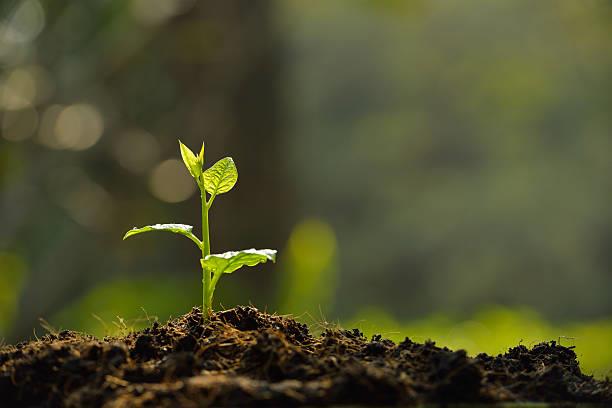
Jammu and Kashmir has recorded lowest survival rate of saplings planted for compensating the loss of forest and tree cover, ecological services and hydrological regime due to diversion of forest land for developmental projects during the last four years (barring one year) in the country.
The official statistics suggest that the survival rate of tree plantation under the Compensatory Afforestation scheme in J&K was “average” to “good” between 2017 and 2021 while some states like Bihar and Karnataka witnessed cent percent survival rate of tree plantation.
Nearly 21 lakh tree saplings out of the nearly 47 lakh, that were planted between 2017 and 2021, could not be survived due to lack of proper care and other natural and man-made reasons. The government had spent a good amount on sapling plantation during these years.
According to the forestry experts, 40-50 percent survival rate is considered “average”, 50-70 percent is considered “good”, 70-80 percent survival rate is considered “very good”, and 80-90 percent and above is considered “excellent”.
“An analysis of data from all the divisions of the forest department in the Union Territory, the survival rate of saplings planted during the year 2017-18 was just 49 percent. A total of 15.39 lakh seedlings were planted in the year against which only 7.54 lakh plants survived. During the year 2018-19, there was a slight improvement in survival rate. Against the total 6.12 lakh planted seedlings, only 3.12 lakh plants survived in the year which came to 51 percent,” the statistics revealed.
During the year 2019-20, as many as 10.94 lakh seedlings were planted across the Union Territory of Jammu and Kashmir against which only 6.56 percent survived which was 60 percent, it said, adding “the survival rate was 60 percent in the year 2020-21 when 8.68 lakh plants survived against the total 14.47 planted seedlings”.
It may be placed here that the government has taken various activities for compensating the loss of forest and tree cover, ecological services and hydrological regime due to diversion of forest land for developmental projects include compensatory afforestation, artificial regeneration (plantation), assisted natural regeneration, soil and moisture conservation works, catchment area treatment, control of forest fire, protection of forest and wildlife etc.
The Compensatory Afforestation scheme is prepared by the Forest Department based on site specific requirements, which is an essential condition for diversion of forest land under the Forest (Conservation) Act, 1980. The tree species taken up for plantation under compensatory afforestation are mostly local species suitable to plantation site and edaphic conditions. The Compensatory Afforestation is maintained upto 10 years.
Pertinently, the green treasure of Jammu and Kashmir is more vulnerable to fire incidents as over 66 percent cases of around 6,500 forest fires, which took place during the last four years, were reported between November 2021 and June 2022. The Forest Survey of India (FSI) had detected a total of 6,479 forest fires by using SNPP-VIIRS sensors in J&K during the last four years. These incidents include large, continuous and repeated forest fires. As many as 4,282 forest fires have been reported in the last eight months alone.