

Kashmir: From the Land of Sharda to a Land of Shadows
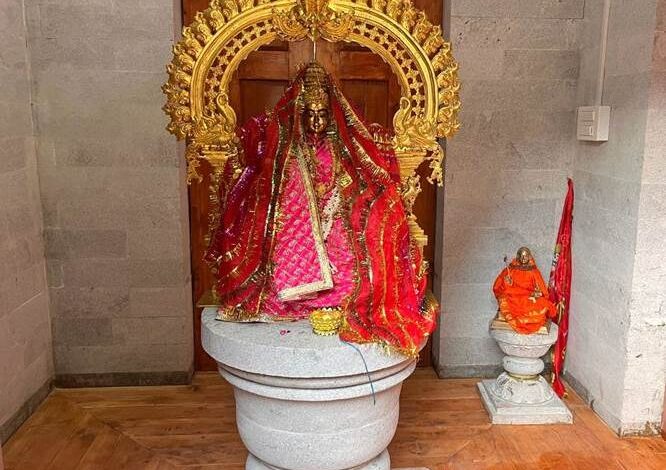
By Rahul Kilam #KilamsCorner
Once known as the Sharda Peeth—the seat of learning, philosophy, and spirituality—
Kashmir was a beacon of intellectualism and cultural richness. It was a land where sages,
poets, scholars, and saints walked freely, leaving behind a civilizational legacy that dates
back over 5,000 years. But today, that same land finds itself in the grip of a dark ideology—
one that has rewritten its past, displaced its original people, and continues to silence
dissent with violence.
The abrogation of Article 370 in August 2019 was hailed as a decisive political move to
integrate Jammu and Kashmir more closely with the Indian Union. It promised peace,
prosperity, and a return to normalcy. Yet, several years on, the shadow of jihadist ideology
continues to loom large over the Valley. Targeted killings, religious extremism, and
intolerance remain stubborn realities, revealing that the problem runs far deeper than a
constitutional provision.
At the heart of Kashmir’s tragedy lies a cultural and demographic transformation driven by
centuries of Islamic invasions and forced conversions. The Kashmiri Pandits—the original
inhabitants and torchbearers of the Valley’s ancient heritage—are today living in exile. Their
homes were looted, temples desecrated, and families scattered. The chilling slogans of the
1990s, like “Raliv, Galiv, ya Chaliv” (Convert, Die or Flee), still echo in the memories of
those who lived through that horror.
Even today, the ideological undercurrent in parts of the Muslim-majority population
remains disturbingly unchanged. Phrases like “Bhattan hyund byool, Khudayan goll” (the
Pandit’s blood is a gift to God) and “Kasheer banav Pakistan, Bhattaav rostoi bhatnav saan”
(We will make Kashmir Pakistan, without Pandit men but with their women) are not just
disturbing relics—they are sentiments passed down, normalized, and internalized. This
isn’t merely about religion—it’s about an identity crisis rooted in historical amnesia.
Ironically, many who cry for Pakistan or view their cultural lineage through other lens forget
their own ancestry. The majority of Kashmir’s Muslims are descendants of converted
Hindus—many forcibly so. The denial of this heritage is not just a rejection of a spiritual
past; it is a detachment from reality. In venerating foreign ideologies and disowning native
roots, they have embraced a paradox—rejecting the soil they were born from while
imagining kinship with a culture that shares only religion, not roots.
This ideological confusion—of choosing a borrowed history over an indigenous one—
continues to fuel radicalism. The tragic irony is that a region once revered for
enlightenment is now seen as a hub of targeted killings and intolerance. It is not poverty,
politics, or partition alone that sustains this unrest—it is the deliberate glorification of
jihad, the suppression of pluralism, and the rewriting of history.
Healing Kashmir will require more than policies and military presence. It demands a
cultural renaissance—a rediscovery of truth, acceptance of history, and a reclaiming of
identity that is both inclusive and honest. The return of Kashmiri Pandits to their homeland,
not as refugees but as rightful stakeholders, must be central to this process. Until then,
Kashmir will remain a land torn between the truth of its past and the illusions of its present.