
Feature StoriesNationalTrending Photo
PM Modi Says India Moving Towards Global Leadership In Emerging Technologies
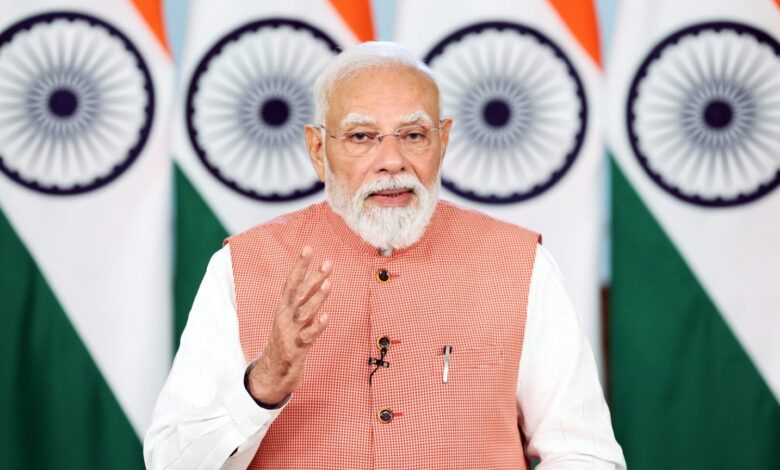
Prime Minister Narendra Modi has said India is moving towards global leadership in emerging technologies, from chips to ships, and from Artificial Intelligence and data centres to quantum computing. He emphasised that reliable power generation is essential to achieving this ambition. Mr Modi said the country is expanding its nuclear power capacity as part of its efforts to achieve clean energy goals and meet its growing energy requirements.
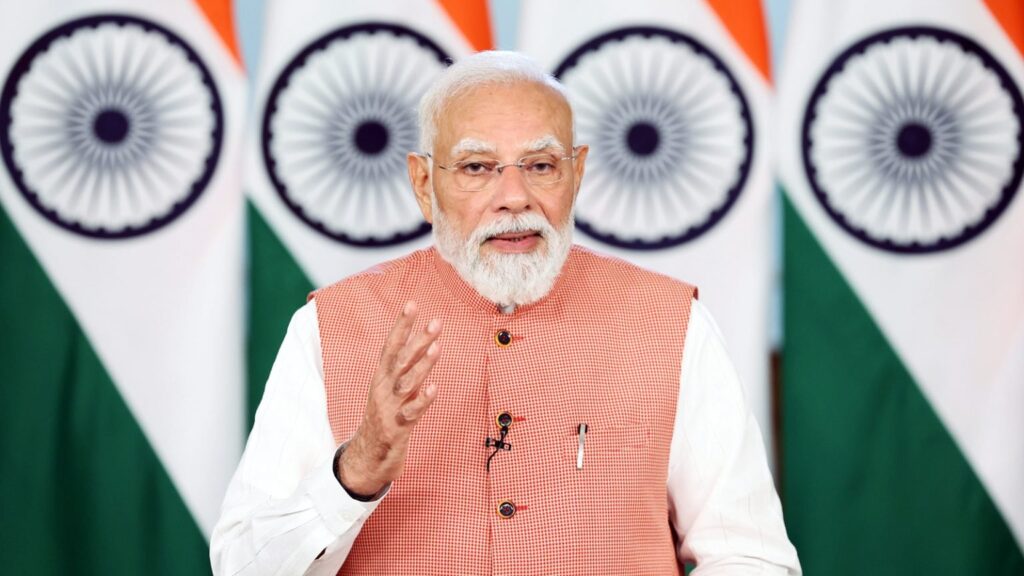
The Prime Minister was addressing the gathering at Bengaluru in Karnataka yesterday, after launching development projects worth over 15,600 crore rupees. Mr Modi said the projects, covering metro, railways and energy infrastructure, will strengthen connectivity, boost economic growth and create new employment opportunities in the state.
Prime Minister Modi highlighted the importance of energy security in view of the ongoing conflict in the Iran and Gulf region. He said India strengthened its energy infrastructure over the past decade by expanding fuel production and storage capacity, along with investments in solar, hydro and wind energy. He said India’s renewable energy capacity had crossed 300 gigawatts.
Pointing out that Central schemes are transforming Indian citizens from electricity consumers into electricity producers, he also highlighted the PM Surya Ghar Muft Bijli Yojana and PM-KUSUM scheme, saying these initiatives are helping households and farmers become producers of clean energy.
The Prime Minister also outlined three major energy projects in Karnataka. These include the Mangaluru LPG project, which will add 80,000 metric tonnes of storage capacity; the Devangonthi Marketing Terminal, aimed at streamlining the supply of petrol, diesel and aviation fuel; and a compressed biogas plant in Bengaluru, with a production capacity of 13 tonnes per day. Mr Modi said the biogas plant will improve waste management and help reduce expenditure on natural gas imports.
Describing Bengaluru as India’s Silicon Valley, Prime Minister Modi said the city contributes more than one-third of the country’s IT exports and serves as a major centre of innovation and economic growth. He noted that the Namma Metro network has expanded from just 17 kilometres in 2014 to over 100 kilometres today, making Bengaluru the third city in the country, after Delhi-NCR and the Mumbai Metropolitan Region, to achieve this milestone. He said the newly inaugurated Pink Line of Bengaluru Metro will improve connectivity to educational institutions, including IIM Bengaluru, as well as major business and technology hubs.
The Prime Minister also highlighted railway modernisation, including the development of Amrit Bharat stations and the expansion of Vande Bharat services. He also flagged off a new Vande Bharat train connecting Karnataka with Goa, following the recent introduction of the state’s first Vande Bharat Sleeper train. He said the new service would improve connectivity along Karnataka’s coastal region, including Mangaluru, and offer passengers a faster and more comfortable travel experience.