

3600 cases, 5 deaths reported so far: Govt
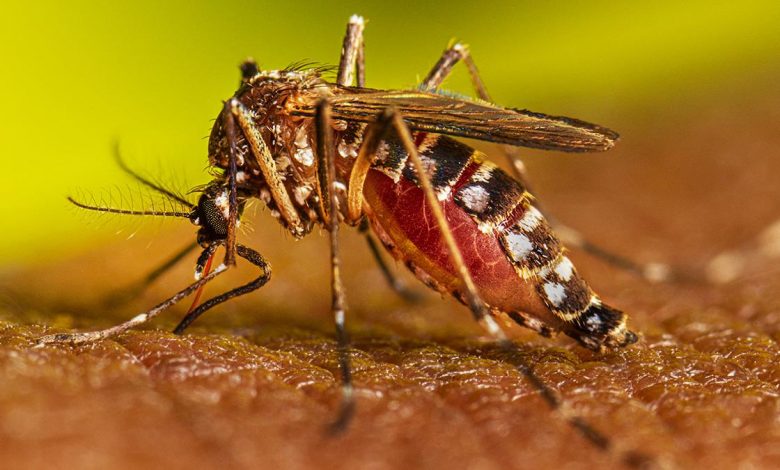
Over 3600 dengue cases and five deaths have been reported in Jammu and Kashmir this year so far with five are from Kashmir division.
A top health official said that around 12328 tests have been conducted so far and 3,617 have been tested positive.
Of 3617, 90 percent of cases which is 3,093 cases are from Jammu district only.
They added that cases include 126 from Samba, 55 from Kathua, 107 from Udhampur, 61 from Reasi, 32 from Rajouri, 21 from Poonch, 76 from Doda, 24 from Ramban, 08 Kishtwar and five from Kashmir besides that nine from other states. Also, five people have died.
According to official data, the highest number of cases 1,837 was reported in 2013 but this year has surpassed it.
Meanwhile, addressing a press conference Principal Government Medical College Jammu, Dr Shashi Sudhan Sharma, said that dengue positivity is showing an upward trend.
She said with enhanced testing, the number of positive cases is also increasing and dengue is the biggest challenge at the moment in Jammu.
“Everyday 80-90 children are admitted in Paediatrics hospital while 50-60 adults are also admitted every day which is a matter of great concern,” she said, adding that so far five persons suffering from dengue have died.
She said that it was found during the audit that the deceased reached hospital at a late stage with multi-organ failure and shock.
Since 2013, the first time dengue acquired the dimensions of epidemic and higher ups are continuously taking feedback and technical suggestions in this regard so that none can face any problems.
She said that there is no need to panic if anyone will test positive but need to take physical as well as mental rest and be hydrated, drink more water, eat fruits and vegetables.
She added that shock syndrome and dengue haemorrhagic cases are very rare and report to a doctor if blood starts coming out of the nose or any other body parts.
“The better way to keep ourselves away from dengue is to prevent mosquitoes from accessing egg-laying habitats by environmental management and modification, disposing of solid waste properly and removing artificial man-made habitats that can hold water and covering, emptying and cleaning of domestic water storage containers on a weekly basis besides applying appropriate insecticides to water storage outdoor containers,” Dr. Sudan said.