

HEALING THE HEALERS
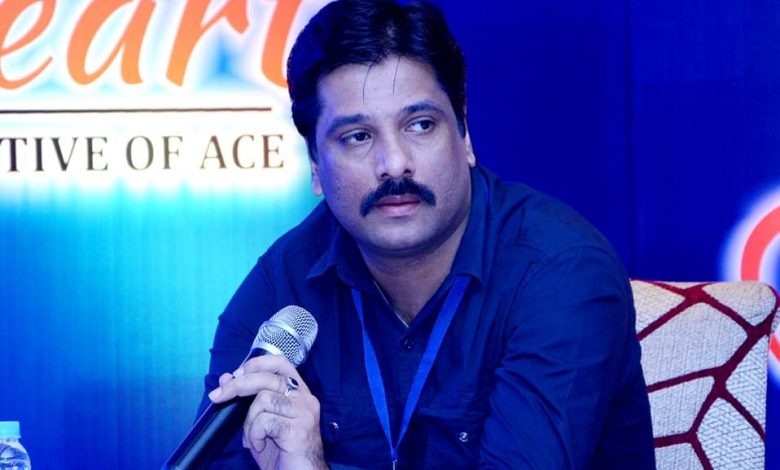
Dr. Pawan Suri
The medical journey all across the globe starts with a traditional ‘Hippocratic Oath’ that emphasises upon the importance of maintaining ethics, confidentiality and striving to do no harm to patients. However, in an Indian system of healthcare, an emphasis during medical journey is also laid upon the glorification of selflessness as doctors are supposed to provide care and treatment to patients even at the cost of their own sufferings and sacrifices. This narrative of exalting selflessness and despondence hides a dangerous reality and the proverb that you must ‘Put your patient first’ as per an oath has thoughtlessly got transformed into you must ‘Put your doctor last’ in the Indian system of medical practice.
The doctors soon after entering into a medical profession are mesmerised by the phrases and paraphrases that medicine is not a profession but a divine calling, a sacred vocation, a mission from God to heal and alleviate suffering. This perspective leads to a deep sense of purpose, compassion and a commitment to serve others with dedication and integrity, which on ground translates into an unconditional and selfless service called as ‘Service to Mankind’. Although all medical professionals are conditioned and trained to provide patient care under the same amber of service to mankind, yet it has more or less become a justification for systematic exploitation of doctors by administrative stakeholders, politicians, bureaucrats and the society at large.
Healthcare, for all practical reasons, is a shared responsibility that encompasses the role of individuals, community and government in promoting and maintaining well-being. Individuals are responsible for their own health choices and actions while the community and government is responsible for creating a supportive environment, including access to care, resources and infrastructure. The role of doctor is only to supervise the implementation of care in that supportive environment, maintain physical and mental health and apply the principles and procedures of medicine to prevent, diagnose and treat patients with illness, disease and injury. Paradoxically, however, the perception is created in society that it is ‘the doctors only’ who are supposed to provide healthcare and any lacunae in care from non-availability of beds to essential medicines is a consequence of their personal failure.
The public healthcare system, which is the responsibility of state and central government and prioritizes affordability as well as broader access, is both ill-equipped and understaffed. A recent Rural Health Statistics 2021–22 shows that over 4,000 Primary Health Centres are operating without a doctor, nearly 25% of Community Health Centres lack essential specialist staff and more than 80% of ambulances under the National Health Mission do not meet the Basic Life Support (BLS) standards. The policy makers rather than trying to strengthen the basic infrastructure and provide proper support are busy in rhetoric and theatrics, exemplified by the live streaming video of a Goa minister and also of MLA from Kashmir using vernacular and abusive language against the doctor on duty. It seems that the government has already washed off its hands from the said responsibility and by doing such kind of acts they are playing with the sentiments of general public, making doctors the scapegoats in healthcare and adding fuel to the fire of mistrust that is already prevailing in society. The medical professionals operating within this fragile and broken system are subjected to tremendous pressure and unfortunately, if any untoward consequences happen to the patient, the politicians and general public at large act as though it is a personal failing of a doctor rather than the lack of support.
The private healthcare system, which is partially controlled by government, although has been able to compensate for the fragile public health services, yet it has its own limitations and altogether different challenges because of limited accessibility, high cost, inequality, profit motivation and insurance limitation. Be it a public or a private set up, the scenario for a medical professional remains same, and in fact, for many doctors, the hospital is not just a place of healing, it’s a battlefield where they face not just the disease, but also violence. According to the Indian Medical Association, over 75% of doctors face violence during their careers and every time a doctor is attacked, the news cycle spins briefly before society moves on, leaving the profession to fend for itself yet again.
No one has any doubt about this being a noble profession and having a divine calling, but a calling does not require martyrdom. An idea that doctor must sacrifice his/her self-well-being to prove dedication is flawed and unsustainable. We need to stop romanticizing sacrifice and equating suffering with commitment. If doctors are expected to heal others, we need to ensure that they aren’t broken themselves. The government needs to own its responsibility and invest in more medical professionals and better infrastructure. The society at large needs to believe in fairness and the perception that doctors are superhuman needs to be rectified.
Before the healing system breaks beyond repair, these kind of systemic reforms need to be implemented on a permanent basis and all the stakeholders of healthcare, including medicos and paramedics, government, policy makers and community as whole need to work together in unison so to have an effective healthcare system of dignity, not distress and deceit, that benefits one and all.