

Iranian apple affecting Kmr produce ill-founded
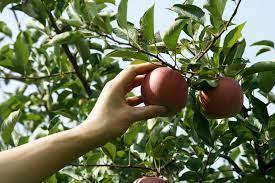
Dispelling the fear that the influx of Iranian apples in the Indian market would threaten the apple harvest of J&K, the government has clarified that 16 million metric tonnes of apples grown in Kashmir have been sold across the country.
As per official figures in the last three months, J&K has sold over 1.7 million metric tonnes of apple in the Azadpur Mandi in New Delhi while only 827 metric tonnes of Irani apple reached the market.
Amid growing concerns of “illegal trade” of apples of foreign origin, India has reported record sales of J&K apples this year putting an end to all fears.
“This year, we have sold over 16 million metric tonnes of apples grown in J&K in various Mandis across the country bringing at least Rs.8,000 crores in revenue. In fact, this year has been one of the best years for apple harvest”, said a government official.
In J&K, some groups had raised concerns that the influx of Iranian apples in the Indian market would threaten the trade of local apple harvest. Although, reports suggest that apples of Jammu and Kashmir remain the first choice of Indian consumers posing no immediate threat to the prospects of local farmers and traders.
The official said, “In the last 3 months, J&K has sold over 1.7 million metric tonnes of apple in the Azadpur Mandi located in Delhi while only 827 metric tonnes of Irani apple reached the market. The difference in volume is huge.” It is pertinent to note that the Azadpur mandi is Asia’s largest wholesale fruit and vegetable market. “These fears are out of proportion as the market figure of ‘Iranian variety’ in question is negligible compared to the apples grown in J&K”, he added.
Adding he said, “In open trade, competition is based on the quality and pricing of the product. While there is no doubt over the quality of J&K apples, the record sales show that it remains the number 1 choice of the people of the country. There is no reason to worry. However, we are in the process of collecting more data to study any changes in trade practices and market trends for better understanding.”